
Hantavirus Is the Warning Signal America Should Not Ignore
Are we genuinely building long-term preparedness infrastructure, or are we repeatedly improvising our way from one outbreak cycle to the next?
Are we genuinely building long-term preparedness infrastructure, or are we repeatedly improvising our way from one outbreak cycle to the next?

We have an imperative to restore trust in science and continue to advance equity, and we have the means to do so with technology, data connections, and dedicated healthcare professionals. It is also critically important to preserve our expert scientific and public health resources so they can ensure we are prepared for the next crisis.

Healthcare decision-makers, especially at pharmaceutical companies, must prioritize patient input. Data collected from social media listening is a significant step in the right direction.

The Covid-19 public health emergency ended May 11, which will affect employer-sponsored insurance in several ways, said Jeff Levin-Scherz, population health leader of Willis Towers Watson. This includes the coverage Covid-19 tests and vaccines.
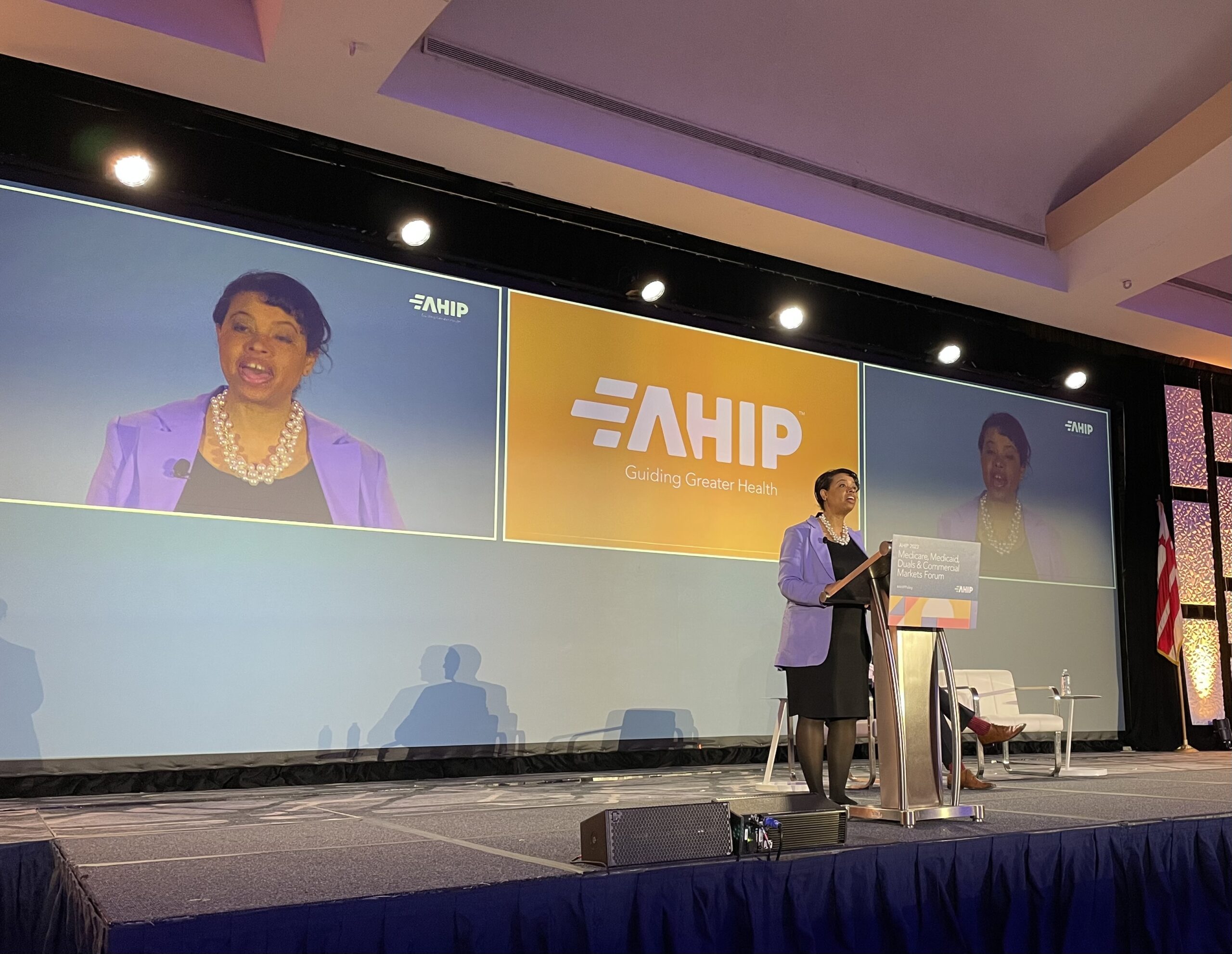
During an interview at the AHIP Medicare, Medicaid, Duals and Commercial Markets Forum held Tuesday in Washington, D.C., CMS Administrator Chiquita Brooks-LaSure discussed CMS' key focus areas for 2023. This includes the end of the public health emergency, health equity and prescription drug costs.

The Covid-19 public health emergency waived a rule that required a practitioner to conduct an in-person medical exam before prescribing controlled substances via telemedicine. Once the public health emergency ends on May 11, those with substance use disorder could be greatly affected, experts are warning.
About 51% of U.S. adults are in favor of the Covid-19 public health emergency still in effect, while 39% said it is no longer needed, a recent Morning Consult survey found. Americans’ opinions varied based on political party, generation, race/ethnicity and location.


Healthcare payments are no longer about transactions. It’s about controlling the revenue cycle. And increasingly, that control is not sitting with ISOs.

In a letter addressed to President Joe Biden, 25 governors argued that the Covid-19 public health emergency should end in April. An estimated 18 million people could lose Medicaid coverage if that happens, according to a recent report.

Of these 18 million people, 3.8 million people will become completely uninsured, according to the Urban Institute’s report. The estimate is higher than HHS' August prediction of 15 million people losing coverage after the public health emergency.
When asked if they had heard about their state returning to Medicaid renewals once the public health emergency ends, 62% said they haven't heard anything, a new report found. Only 5% said they've heard a lot about it.

If telehealth flexibilities are not protected once the public health emergency expires, many Americans will lose their access to virtual care. To prevent this, the healthcare industry must advocate for the extension of these benefits for at least two years following the end of the emergency, with guardrails placed around two key areas — the prescription of addictive medications and audio-only visits.

Small practices play a critical role in healthcare delivery, but they cannot continue to absorb ever-increasing administrative demands without consequences.

Providers, health systems and patient groups who want to see telehealth survive beyond the federal public health emergency need to engage their lawmakers and associations now to demonstrate the need and utility for continued telemedicine.

HHS is partnering with nonprofit Global Health Investment Corporation to launch a health security fund. The fund will be used to invest in technologies that can help prevent or respond to public health emergencies, like future pandemics.

As Texas reels from a devasting winter storm, HHS is issuing several waivers to help hospitals continue to provide care amid mounting challenges. These waivers allow non-compliance with certain HIPAA provisions and other federal regulations.